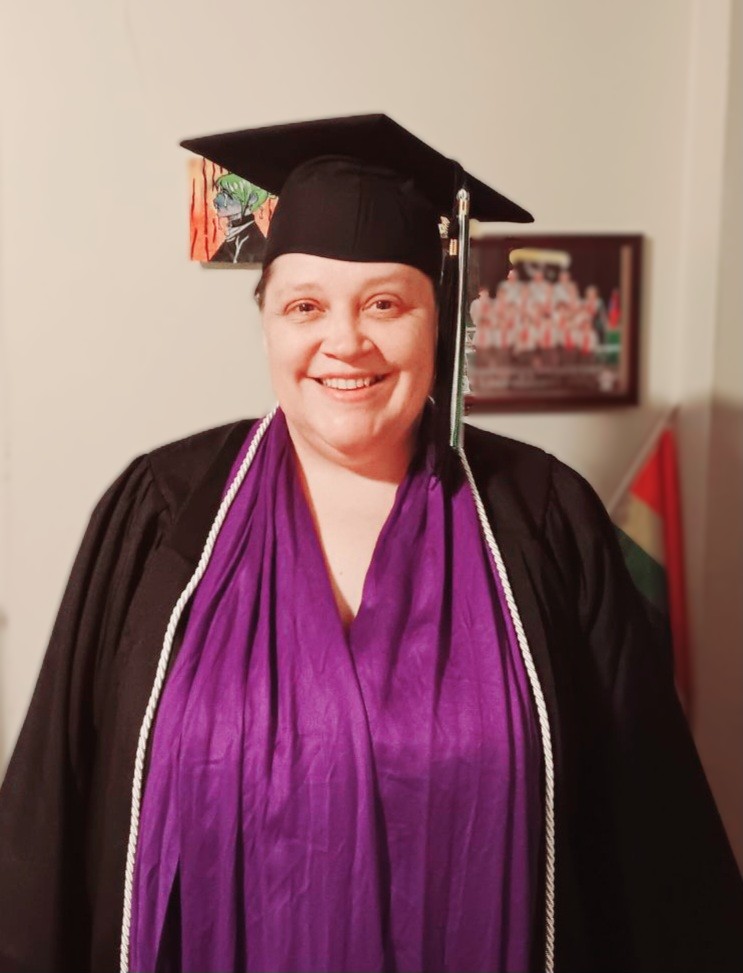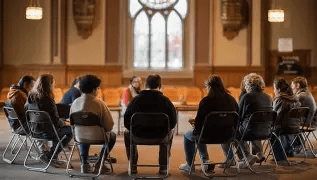
I had the pleasure of meeting with university students in a doctoring course yesterday. My task was to share some of my experience strength and hope with them while also focusing on harm reduction and my experiences with medical professionals. In true perimenopause, adhd, fibro fog fashion I got bogged down in the details, struggled to make concise relatable points, and frankly failed to deliver the message I wanted to. I may have touched some hearts, but I wish I had a do over. So, after reflecting (aka having overwhelming intrusive thoughts on repeat after presentations and in professional situations about what I said, did, and should have done) here is a letter I wish I could send…
Dear Medical Students,
Thank you for the opportunity to share my lived experience as part of your harm‑reduction training. After presenting my story, I found myself reflecting on what I wished I had communicated more clearly to you as students who will become tomorrow’s clinicians and to the faculty who shape your training. I hope this letter provides a fuller picture of what I intended to convey: what my experiences in the medical system have been, the harm caused by diagnostic overshadowing and stigma, and what would have made a meaningful difference. Most importantly, I hope it highlights what true harm‑reduction looks like in everyday clinical practice.
Yesterday, I wanted you to understand that I am not defined by my substance use disorder. I am a mother, a student, a professional, and a whole human being with complex, intersecting identities. Substance use is something I lived with, but it is not the sum of who I am, nor is it the lens through which I should be viewed. Yet in nearly every medical setting I’ve entered, my SUD and the stigma attached to it have overshadowed every other diagnosis, need, or part of my identity.
Because of the stigma and biases attached to the conditions listed in my chart, SUD, PTSD, other mental health diagnoses, and chronic illnesses such as chronic fatigue syndrome and polyarthritis, I have been repeatedly dismissed, misdiagnosed, and spoken to in ways that caused real and lasting harm. I have heard comments such as, “If you’re looking for pain meds, I can’t give you narcotics,” or “I won’t give you ADHD medication because you’re an addict.” I have been told that my pain was “because of depression” or “because of trauma,” as if my physical suffering existed only in my mind. I have even been instructed to “look up fibromyalgia and do what it suggests,” as though living inside my own body every day provides no credibility or expertise of my own experience.
In mental health inpatient settings, I was told simply, “Just don’t drink,” or asked, “Why can’t you just stick to a program?” These statements were not isolated incidents; they were reflections of systemic patterns, diagnostic overshadowing, stigma, and the tendency to interpret patients solely through the most stigmatized element of their chart. For years, no clinician recognized that my substance use was a symptom of much deeper issues: undiagnosed severe mental illness, significant trauma history, chronic pain, poverty, and systems that never set me up for success. Because I masked well and presented well, the depth of my illness and distress was overlooked. No provider spent enough time with me to see what was truly happening beneath the surface.
It was not until I finally entered a program that understood substance use in context, rather than as a moral failing or lack of willpower, that I began to heal. This is why harm reduction matters. And this is why curriculum and clinical training must go far beyond the pathophysiology of addiction and address the human experience of stigma, trauma, and inequity.
I have been dismissed and continue to be dismissed not only because of my diagnoses but because of who I am in the eyes of the medical system: a woman, a poor person, a single mother, a person with a history of SUD, someone labeled “an addict.” Clinicians often see me only through the narrow lens of the presenting problem, rather than as someone whose experiences of trauma, poverty, caregiving responsibilities, chronic illness, and mental health challenges intersect in ways that deeply influence my health and access to care. Intersectionality is not an abstract academic concept; it is the lived reality of patients like me.
I want to express clearly what I believe to be one of the most important truths in healthcare: everything is harm reduction. Harm reduction is trauma-informed care. It is not a specialty, nor is it a set of isolated interventions. I.e. needle exchange and safe injection sites though important and necessary are not where harm reduction begins and ends. It is a way of practicing medicine that recognizes and honors the humanity of the person in front of you. Practicing harm reduction means being genuinely curious about your patient and forming a connection by asking rather than telling. It means knowing the services available in your community, understanding who can help connect a patient to those supports, and making warm, intentional handoffs rather than simply providing phone numbers. It includes looking patients in the eye and asking what brought them in, while listening past the injury, the infection, the withdrawal, or the immediate medical need.
Harm reduction also means reading your notes beforehand and following up on something personal from a previous visit, showing that your patient is seen as a whole person rather than a problem to solve. It means charting with compassion, recognizing that your words will follow patients across systems and can either open doors or close them. It involves acknowledging that every patient is shaped by nuanced, complex, intersectional experiences, and being aware of your own biases and prejudices so that you can move past them to deliver culturally aware, trauma-informed care. These are not extra steps or aspirational practices; they are essential components of ethical, effective clinical care.
If even one clinician along the way had practiced true harm reduction and true trauma-informed care, my story might have unfolded differently. The smallest spark of a connection formed by deploying any of the aforementioned strategies can leave the door open for future conversations that may lead to progress. The journey is always about the progress big or small it is never about perfection. Take the time to celebrate the progress. Every small step is a win and deserves recognition. I want medical students to understand that their words, assumptions, and clinical posture can profoundly affect a patient’s trajectory. I would love to see educators and program directors to embed these principles into the core curriculum, not as electives or one-time modules, but as competencies as essential as anatomy or pharmacology.
I hope you will remember that when someone with SUD is in your care, they are still a parent, a student, a worker, a community member, someone living with pain, trauma, hopes, fears, and resilience. Compassion is not an optional skill. It is the intervention.
I hope that sharing my story, and now this letter, helps illuminate both the harm patients experience and the extraordinary potential clinicians have to do good. Thank you for listening. Thank you for caring. And thank you for working toward a medical system that sees people fully, treats them with dignity, and meets them where they are.
Sincerely,
Nora Gilleo
Thank you for reading…
Let me know your thoughts. What would you say to a new medical professional in training? What do you wish your doctor would have learned in medical school? Do you have any questions for a person in Recovery from Substance Use Disorder and mental health challenges?
Love Always,
Nora